
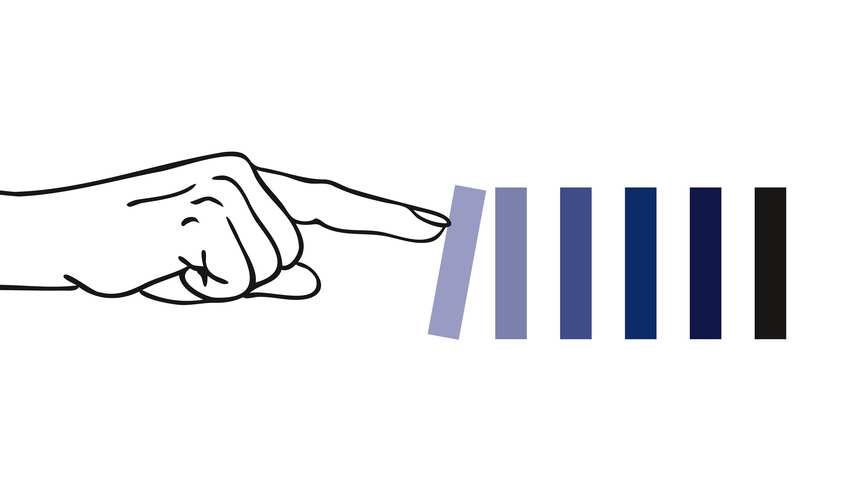
Let’s explain this question by discussing the concept of antecedent causation. It’s a big term but is not difficult to understand. See this video for a quick visual primer: https://youtu.be/YWk9N92-wvg?si=lsMap-E4MZoaMyyj (this was done before AI, so it’s quite impressive!)
This video was a visual of cause and effect. Cause and effect differs from antecedent causation because it is broader, dealing with any direct relationship where one thing causes another. In addition, antecedent causation is more about identifying the earlier or prerequisite conditions necessary for the effect to occur.
Now we can begin discussing what The Urantia Book says:
Antecedent causation is understood within the broader context of universal law, divine purpose, and the interplay of time, space, and eternity. The book discusses causation as a foundational principle of reality, emphasizing that everything has an origin and operates within a divinely orchestrated framework. Here’s how The Urantia Book explains antecedent causation:
1. Universal Law and Divine Will
The concept of antecedent causation is rooted in the eternal nature of the First Source and Center—God. According to The Urantia Book, God is the primal cause of all reality. All subsequent causes and effects flow from the original act of creation, guided by divine will. This ultimate causation operates beyond time and space, encompassing both the physical universe and spiritual realms.
- Eternal Cause: God is described as the uncaused cause, the beginning of all beginnings. The universe and its systems owe their existence to this eternal source.
- Purposeful Creation: Nothing exists by chance. Every event, entity, and relationship serves a greater purpose within the divine plan.
2. Causation in Time and Space
While God’s causation is eternal and absolute, causation within time and space is sequential and relative. This means that events and outcomes are interconnected, forming a chain of cause and effect that unfolds over time. The Urantia Book explains that:
- Physical Causation: In the material realm, physical laws govern the interactions of matter and energy, creating a predictable chain of causality.
- Mind Influence: Intelligence and decision-making introduce an additional layer of causation. Human and celestial minds influence events, adding complexity to the causal chain.
- Spiritual Dimension: Spiritual forces also play a role in shaping reality. Divine guidance and spiritual growth are integral aspects of the causation process.
3. The Interplay of Free Will and Causation
A unique aspect of The Urantia Book’s explanation of causation is the inclusion of free will. While antecedent causes influence outcomes, personal decisions also shape the course of events. Human free will operates within the framework of divine law but allows for individual creativity and choice.
- Moral Responsibility: Free will introduces moral accountability. Choices made by individuals contribute to the causation chain, affecting both personal destiny and broader reality.
- Co-Creatorship: Humans, as free-willed beings, become co-creators in the unfolding of divine purpose, integrating their decisions into the divine plan.
4. Supreme and Ultimate Levels of Causation
Causation in The Urantia Book operates at multiple levels:
- Supreme Level: The evolutionary progression of finite creation is guided by the Supreme Being, who harmonizes experiential realities and antecedent causes within time and space.
- Ultimate Level: Beyond time and space, the Ultimate represents a higher integration of causation, encompassing transcendental realities and purposes that connect finite and infinite existence.
5. Causation and Purpose
Causation is not random but purposeful. Every antecedent cause contributes to a greater cosmic goal. The Urantia Book teaches that causation reflects God’s desire for the growth, unity, and perfection of all creation. Events that may seem disconnected or chaotic are part of a larger, orderly process that leads toward divine fulfillment.
Key Takeaways:
- God as the Primal Cause: All causation originates from the First Source and Center, who is eternal and absolute.
- Sequential Causation in Time: Within time and space, events follow an interconnected chain of cause and effect governed by physical, mental, and spiritual laws.
- Free Will Integration: Human decisions influence the causal chain, adding moral responsibility and creative potential to the process.
- Purpose-Driven Reality: Causation serves divine purposes, leading to the ultimate goal of universal unity and perfection.
In essence, The Urantia Book views antecedent causation as a multi-dimensional process rooted in divine origin and purpose, operating through the interplay of natural laws, free will, and spiritual growth.
So this is how it all fits together. Are we small cogs in a giant wheel? Yes, however, “There is in the mind of God a plan which embraces every creature of all his vast domains, and this plan is an eternal purpose of boundless opportunity, unlimited progress, and endless life. And the infinite treasures of such a matchless career are yours for the striving!” 32:5.7
We hope this explains whether we really have free will. The answer is yes, we most definitely have free will. Are there a lot of moving parts? Yes. Do we have control over any of it? Only our own. God has given us control over our own choices.
The choice to do God’s will is the only gift we can give to God. He has no ability to coerce our decisions. So get out there and choose God!